
-
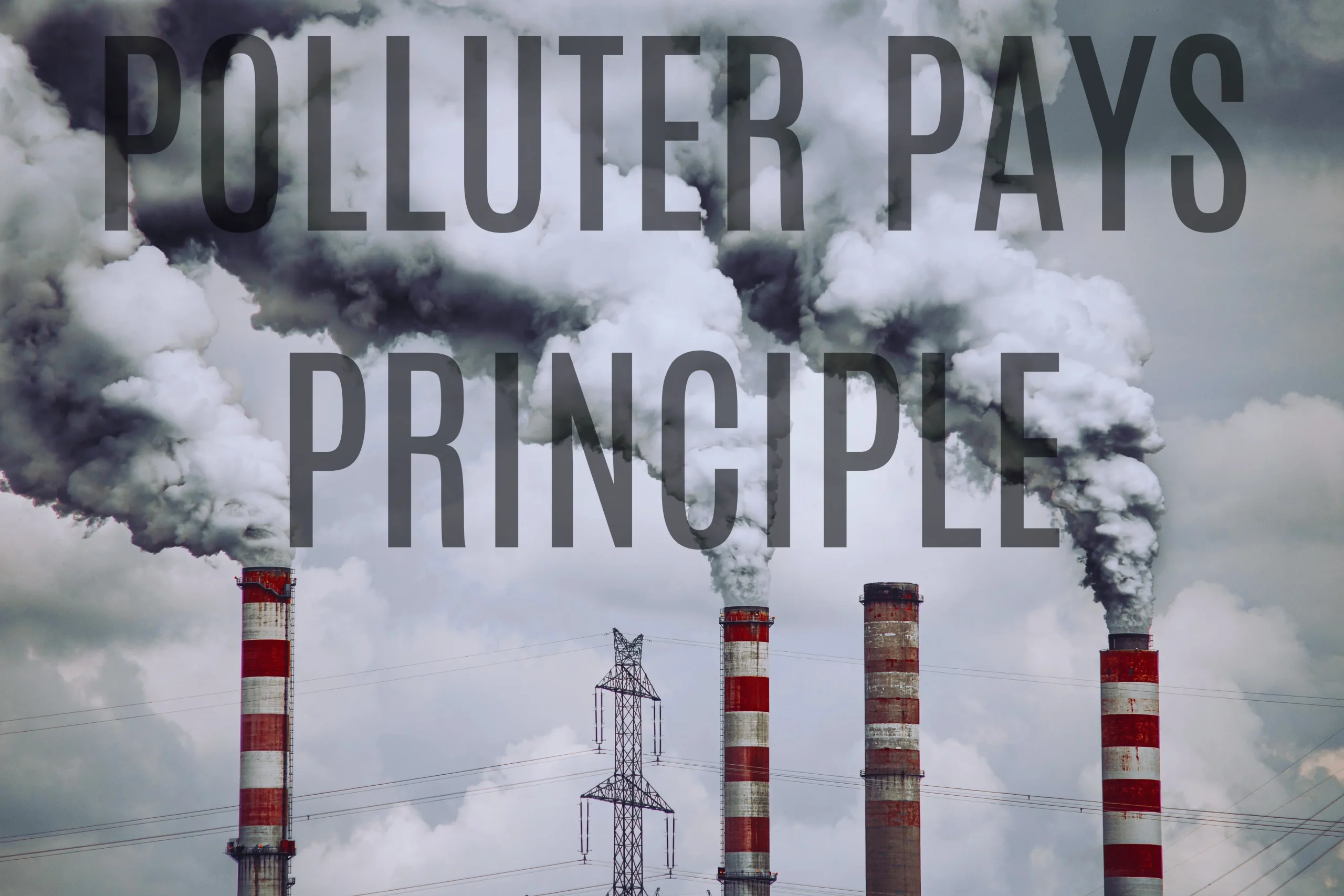 What is the Polluter Pays Principle? The Polluter Pays Principle is an environmental and economic concept which states that those responsible for pollution i.e. industries, businesses, should bear the cost of managing and correcting the damage caused to the environment and human health. Originating from the 1992 United Nations
 -
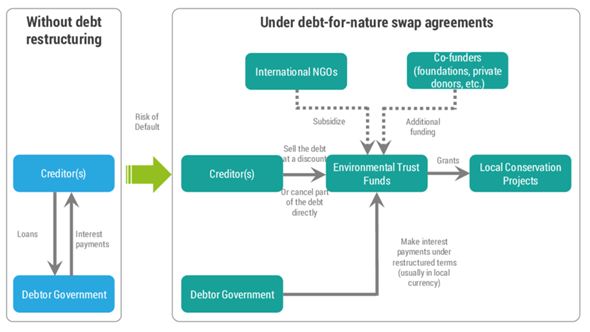 Debt-for-nature swaps are making headlines as a form of climate finance that reduces a country’s debt in return for environmental commitments. With the cost of mitigating climate change estimated to be between $3-6 trillion a year globally by 2050 according to International Monetary Fund (IMF), innovative financial mechanisms like
 -
 WHAT TO KNOW ABOUT CARBON CREDITS According to a recent Intergovernmental Panel on Climate Change (IPCC) report, projected global warming may reach 0.8oC to 1.2oC above pre-industrial levels between 2032 and 2052. The rise in temperature is predominantly due to anthropogenic activities such as burning of fossil fuels, deforestation,
 -
 Waste colonialism refers to the disposal of hazardous waste by high GDP countries into low GDP countries. The term was first recorded in 1989 at the United Nations Environmental Basel Convention when African nations raised concerns over the issue. Apart from hazardous waste, high GDP countries have also been
 -
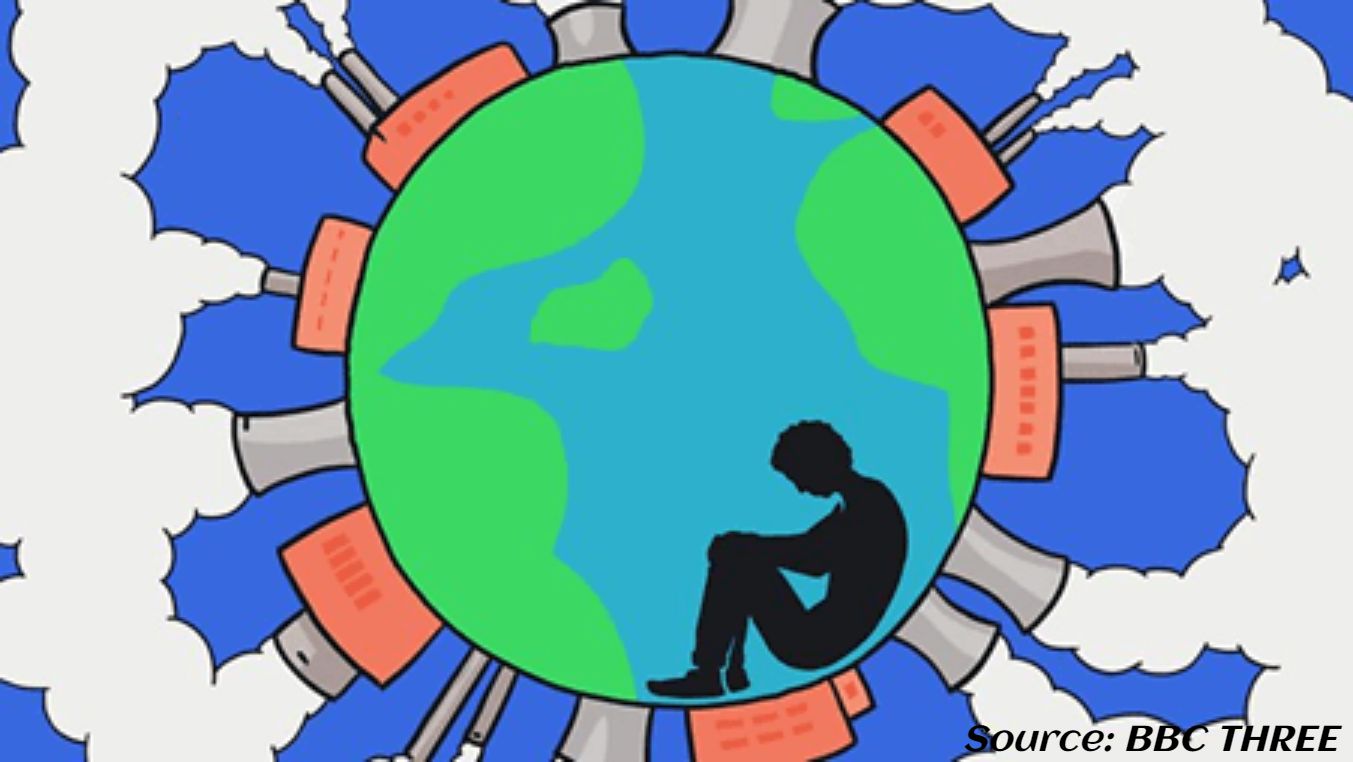 The first time I heard the phrase eco-anxiety was during a Climate Change workshop I attended. It immediately piqued my interest because I had never thought of the impact climate change may have on our mental health. The more research I did the more I realised that it is
 -
 WHAT IS BIOPIRACY? Indigenous communities live closely with nature and over the years, knowledge on genetic resources has been passed on from generation to generation which is known as indigenous or traditional knowledge. This includes skills and practices that are developed within a community often forming part of its
